
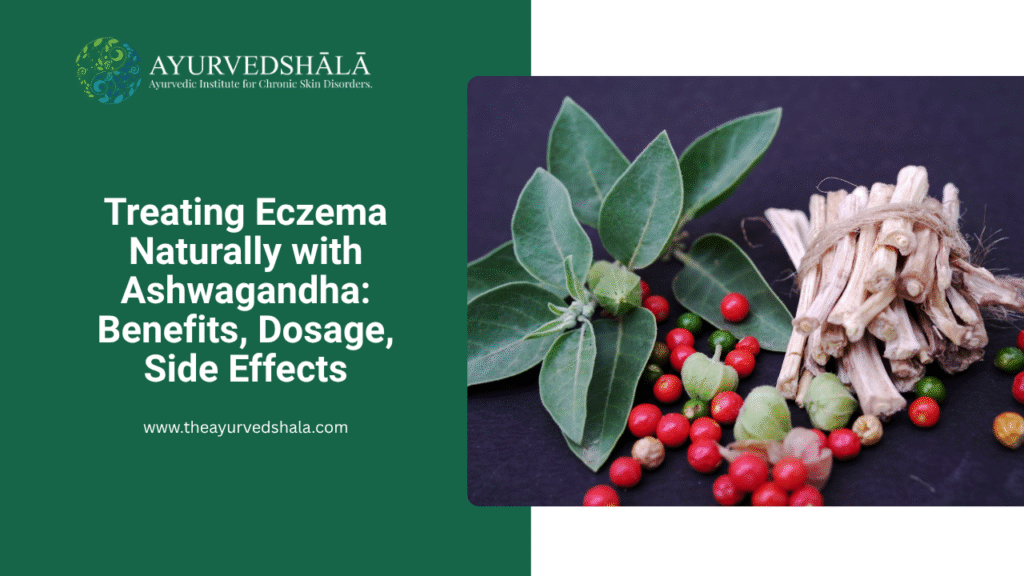
Ashwagandha, a cornerstone herb in Ayurvedic medicine, has been used for thousands of years in India to promote overall health and vitality. Derived from the roots of the Withania somnifera plant, it’s traditionally known as an adaptogen that helps the body manage stress and restore balance. In modern contexts, ashwagandha is gaining attention for its potential in addressing skin issues like eczema, thanks to its anti-inflammatory and soothing properties that may help reduce irritation and redness. Whether you’re exploring natural remedies for chronic skin conditions or seeking ways to support holistic wellness, this herb offers a gentle, time-tested approach. Always consult a healthcare professional before incorporating it into your routine to ensure it’s suitable for your needs.
Synonyms/Alternative Names
Ashwagandha is known by several names across cultures and regions, which can help when searching for it in supplements or traditional texts. Common alternatives include:
- Indian ginseng
- Winter cherry
- Withania somnifera (botanical name)
- Ajagandha
- Indian winter cherry
Indications / Uses
Ashwagandha has a broad range of traditional and modern applications, rooted in Ayurveda where it’s valued for balancing the body’s doshas (energies). Here’s a breakdown of its key uses:
Skin Conditions
In Ayurveda, ashwagandha is often recommended for inflammatory skin issues. For eczema, it may help by reducing stress-related flare-ups and providing anti-inflammatory benefits that soothe irritated skin, potentially alleviating redness, itching, and scaling. Some studies suggest topical applications or oral intake could improve symptoms in conditions like psoriasis and acne as well.
Joint Health and Inflammation
The herb’s anti-inflammatory compounds may support joint mobility and reduce swelling, making it useful for arthritis or general inflammation.
Metabolic Disorders
Ashwagandha is traditionally used to help regulate blood sugar and cholesterol levels, potentially aiding in diabetes management or metabolic health.
Other General Health Benefits
It promotes anti-aging through detoxification and stress reduction, and may enhance overall vitality. In combinations, it’s sometimes paired with other herbs like turmeric for amplified anti-inflammatory effects.
Composition / Ingredients
Ashwagandha’s potency comes from its rich phytochemical profile, primarily found in the roots. Key components include:
- Withanolides: Steroidal lactones that are the main active compounds, responsible for anti-inflammatory and adaptogenic effects (typically standardized to 5% in supplements).
- Alkaloids: Such as withanine, contributing to calming properties.
- Saponins and Sitoindosides: Support immune modulation and stress response.
- Sterols and Other Compounds: Including chlorogenic acid and coumarins, which aid in antioxidant activity.
The root is the primary part used, with extracts often concentrated for higher efficacy. Quantities vary by product, but standardized extracts ensure consistent withanolide content.
Method of Preparation
Traditionally, ashwagandha is prepared by drying and powdering the roots. A common method involves simmering the powder in warm milk or water to make a decoction, enhancing absorption with fats. Modern preparations include extracts via alcohol maceration for tinctures or water extraction for teas. Authentic Ayurvedic methods emphasize organic sourcing and minimal processing to preserve bioactive compounds.
Dosage and Administration
Dosage can vary based on form and individual needs, but general guidelines for adults suggest starting low. For eczema or general use:
- Standard Dose: 250–600 mg of root extract per day, often split into two doses (e.g., 300 mg twice daily), standardized to 5% withanolides.
- For Children: Lower doses (consult a pediatrician; not typically recommended under 12).
- Special Conditions: Adjust for sensitivity; those with thyroid issues may need monitoring.
Side Effects and Precautions
While generally well-tolerated, ashwagandha may cause mild side effects in some people. Common ones include:
- Nausea, diarrhea, or stomach upset
- Drowsiness or headache
- Rare liver concerns with prolonged high doses
Precautions:
- Avoid during pregnancy or lactation due to potential risks.
- Not recommended for those with autoimmune conditions, thyroid disorders, or on sedatives, as it may interact.
- Do: Consult a doctor before starting, especially if on medications.
- Don’t: Exceed recommended doses or use if you have gastrointestinal sensitivities.
Additional Benefits / Health Claims
Beyond eczema, ashwagandha offers secondary perks supported by traditional texts and emerging research:
- Stress and Anxiety Reduction: Lowers cortisol for better mental health.
- Improved Sleep: Promotes relaxation without heavy sedation.
- Fertility and Hormonal Balance: May boost testosterone and support reproductive health.
- Athletic Performance: Enhances strength, endurance, and recovery.
- Other claims include blood pressure regulation, immune support, and potential aid in weight management through stress control.
Storage and Shelf Life
Store ashwagandha in a cool, dry place away from light and moisture, ideally in an airtight container. Powder or roots last 2–3 years from manufacture, while extracts may expire sooner (check labels). Freshness is key—discard if it smells off or clumps.
Conclusion
Ashwagandha stands out as a versatile Ayurvedic herb with promising benefits for managing eczema naturally through its anti-inflammatory and stress-relieving properties, alongside support for overall health. From soothing skin irritation to enhancing vitality, it offers a holistic option for those seeking natural remedies. However, safe use is paramount—always consult a physician to tailor it to your health profile and avoid interactions. If you’re ready to explore, start with a quality supplement and monitor how it works for you.