
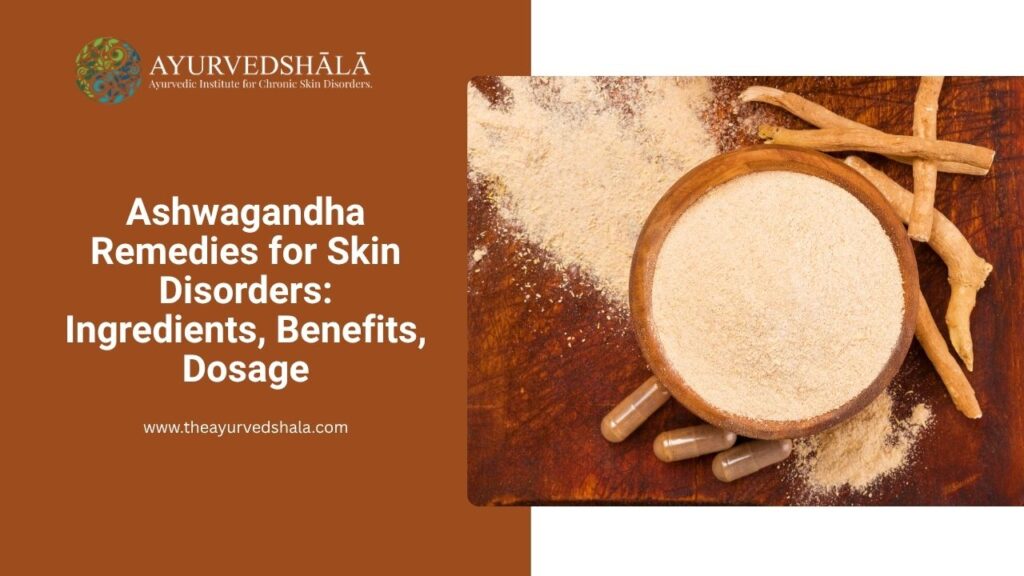
Ashwagandha Remedies for Skin Disorders, a cornerstone herb in Ayurveda, has been revered for centuries in traditional Indian medicine for its adaptogenic properties that help the body manage stress and promote overall well-being. Known scientifically as Withania somnifera, this evergreen shrub is often used to address a variety of health concerns, including skin disorders. Ashwagandha remedies for skin disorders leverage its anti-inflammatory, antioxidant, and rejuvenating effects to soothe irritation, reduce acne, and enhance skin vitality. Whether taken orally or applied topically, ashwagandha can support healthier skin by combating free radical damage and balancing internal factors like stress that exacerbate skin issues. Always consult a healthcare professional before incorporating ashwagandha into your routine to ensure it’s suitable for your needs.
Synonyms/Alternative Names
Ashwagandha is also commonly known as:
- Winter cherry
- Indian ginseng
- Poison gooseberry
- Withania somnifera (botanical name) These names reflect its appearance, origins, and traditional uses in various cultures.
Indications / Uses
In Ayurveda, ashwagandha is prized as a rasayana (rejuvenative) herb that supports the body’s resilience to stress and nourishes tissues. While it’s widely used for general health, its remedies are particularly beneficial for skin disorders due to its ability to reduce inflammation, promote healing, and balance doshas like Vata and Kapha, which can contribute to skin imbalances.
Skin Conditions
Ashwagandha remedies help with various skin issues:
- Acne and Breakouts: By lowering cortisol levels, it reduces excess sebum production and inflammation, preventing clogged pores and bacterial growth.
- Dry Skin and Irritation: It enhances moisture retention and soothes redness, flakiness, and itchiness through hydration and anti-inflammatory effects.
- Inflammatory Disorders (e.g., Eczema, Psoriasis, Rosacea): Withanolides in ashwagandha modulate cytokines to calm chronic inflammation.
- Hyperpigmentation and Aging Signs: It combats dark spots, fine lines, and wrinkles by boosting collagen, elastin, and antioxidants against free radicals.
- Wounds and Swellings: Topical applications aid in healing carbuncles, inflammation, and minor injuries with antibacterial properties.
Ashwagandha can be combined with other herbs like neem, turmeric, or aloe vera in formulations for enhanced skin benefits. For instance, it’s often paired with shatavari for balancing effects in women or used in herbal decoctions for detoxification that indirectly supports skin health.
Joint Health and Inflammation
Beyond skin, it supports joint mobility and reduces inflammation, which can alleviate related skin manifestations like rashes from autoimmune conditions.
Metabolic Disorders
It aids in managing diabetes and cholesterol, which can improve skin health by stabilizing blood sugar levels that affect conditions like acne or dryness.
Other General Health Benefits
Ashwagandha promotes anti-aging through better sleep and stress management, leading to a natural skin glow, and supports detoxification for clearer complexion.
Composition / Ingredients
Ashwagandha remedies primarily use the roots of Withania somnifera, which contain key bioactive compounds:
- Withanolides: Steroidal lactones responsible for anti-inflammatory and adaptogenic effects; typically 1.5–2.5% in root powder.
- Withaferin A: A potent antioxidant that helps with pigmentation and cellular repair.
- Alkaloids and Saponins: Support immune function and skin healing. Other parts like leaves may be used in topical pastes. In formulations, it’s often mixed with carriers like ghee, honey, or oils. Quantities vary; for example, root powder is the base in most remedies, with 2–5g per dose for oral use.
Method of Preparation (Optional)
Traditional Ayurvedic preparation involves drying and powdering the roots for versatility. For skin remedies:
- Powder: Grind dried roots into fine powder for oral intake or mixing into pastes.
- Oil Infusion: Steep root powder in sesame or coconut oil for topical application, heated gently to infuse properties.
- Decoction: Boil roots in water or milk for teas.
- Homemade Remedies: Examples include mixing powder with aloe vera for face packs or lemon juice for tonics, emphasizing authentic sourcing for potency.
Dosage and Administration
Dosage depends on form, age, and condition; start low and consult a practitioner.
- Oral (Powder or Capsules): 250–1000mg daily for adults, divided into 1–2 doses, up to 12 weeks. For chronic skin issues, 2–5g of root powder mixed in warm milk or water.
- Topical: Apply pastes or oils 1–2 times daily; e.g., facial tonic for 15 minutes.
- Children: Reduce to half adult dose or use Clark’s Rule for calculation. Best taken with meals or milk to enhance absorption; morning for energy, evening for calm. For skin, combine oral and topical for best results.
Side Effects and Precautions
Ashwagandha is generally well-tolerated, but possible side effects include:
- Stomach upset, diarrhea, or nausea in large doses.
- Rare stimulatory effects or interactions with sedatives, diabetes meds, or thyroid drugs.
Precautions:
- Avoid during pregnancy or lactation due to potential uterine effects.
- Use caution if you have high pitta (heat-related issues), gastrointestinal sensitivities, or are on medications.
- Do: Consult a doctor; start with small doses; store properly.
- Don’t: Exceed recommended doses; use if allergic to nightshades; ignore symptoms like irritation.
Additional Benefits / Health Claims
Beyond skin, ashwagandha supports weight management, reduces uric acid, and controls cholesterol through its metabolic effects. Traditional texts like Charaka Samhita highlight its role in vitality and longevity. Some observations suggest it enhances chemotherapy tolerance, potentially aiding skin cancer recovery, but always under medical guidance.
Storage and Shelf Life
Store ashwagandha powder or products in a cool, dry place away from direct sunlight, in airtight containers to preserve potency. Shelf life is typically 2–3 years for dried root powder when stored properly; check expiration on supplements.
Conclusion
Ashwagandha remedies offer a natural approach to managing skin disorders, from acne and dryness to inflammation and aging signs, thanks to its balancing and restorative properties. By incorporating it thoughtfully—whether through oral supplements or topical applications—you may experience improved skin health alongside overall vitality. Remember, while rooted in ancient wisdom, safe use requires professional advice; consult your physician before starting to tailor it to your health profile.