




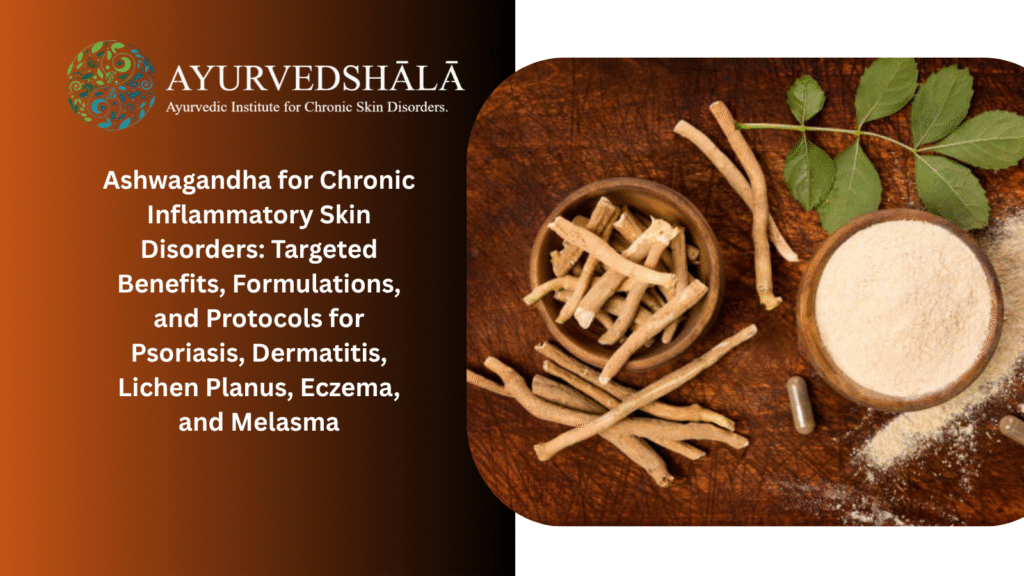
Ashwagandha, a cornerstone herb in Ayurvedic medicine, has been revered for centuries in India and parts of Africa for its remarkable adaptogenic properties. Derived from the roots of the Withania somnifera plant, this ancient remedy is often called the “strength of the stallion” due to its ability to enhance vitality and resilience against stress. Traditionally used to balance the body’s doshas—particularly Vata and Kapha—Ashwagandha supports overall well-being by modulating inflammation, boosting immunity, and promoting rejuvenation. In modern contexts, it’s gaining popularity as a natural supplement for managing chronic conditions, including those affecting the skin.
For individuals dealing with chronic inflammatory skin disorders, Ashwagandha offers targeted benefits that can help alleviate symptoms like redness, itching, and scaling. Its anti-inflammatory and antioxidant effects, primarily from compounds like withanolides, make it a promising option for conditions such as psoriasis, dermatitis, lichen planus, eczema, and melasma. By reducing oxidative stress and calming the body’s inflammatory response, Ashwagandha may improve skin texture, reduce flare-ups, and enhance quality of life. However, while traditional wisdom and emerging research support these uses, it’s essential to consult a healthcare professional before incorporating it into your routine to ensure it’s safe for your specific health needs. This article explores Ashwagandha’s role in skin health, providing practical insights into its formulations and protocols.
Synonyms/Alternative Names
Ashwagandha goes by several names across cultures and regions, reflecting its widespread use and botanical identity. Understanding these variations can help when searching for products or researching its applications.
- Botanical Name: Withania somnifera (L.) Dunal, belonging to the Solanaceae (nightshade) family.
- Common English Names: Indian ginseng, winter cherry, poison gooseberry.
- Sanskrit Names: Ashwagandha (meaning “smell of the horse,” referring to its root’s odor and strength-giving properties), Varahakarni, Vajigandha.
- Hindi/Regional Names: Asgandh, Punir, Asagandh.
- Other Global Names: Indian winter cherry, Ajagandha (in some Ayurvedic texts).
These names often highlight its ginseng-like effects or cherry-like fruits, making it easier to identify authentic sources in supplements or herbal preparations.
Indications / Uses
Ashwagandha’s versatility in Ayurveda extends to both traditional and contemporary applications, particularly for inflammatory conditions. In classical texts like the Charaka Samhita and Sushruta Samhita, it’s classified as a Rasayana (rejuvenator) that pacifies inflammation and supports tissue repair. Modern research echoes this, showing its potential in managing chronic inflammatory skin disorders through anti-inflammatory, antioxidant, and immunomodulatory actions. Below, we break down its uses for specific skin issues, including targeted formulations and protocols. Always remember, these are supportive measures—not cures—and should complement medical advice.
1. Psoriasis
Psoriasis is an autoimmune disorder causing rapid skin cell turnover, leading to scaly plaques. Ashwagandha’s withanolides help by inhibiting pro-inflammatory cytokines like TNF-alpha, reducing plaque formation and itchiness. Studies indicate it may decrease psoriatic lesions by modulating the immune response and lowering stress, a common trigger.
Formulations:
- Oral: Standardized root extract capsules (300–600 mg, 5% withanolides).
- Topical: Ashwagandha-infused oils or lotions for direct application.
- Combinations: With Triphala or Neem for detoxification.
Protocols: Take 300 mg twice daily for 8–12 weeks, combined with a Pitta-pacifying diet (cooling foods like cucumber). Apply topical formulations nightly after cleansing. Monitor progress with a dermatologist.
2. Dermatitis (Including Atopic Dermatitis)
Dermatitis involves inflamed, itchy skin often due to allergens or irritants. Ashwagandha’s anti-inflammatory properties soothe irritation by reducing histamine release and supporting the skin barrier. It also addresses underlying stress, which exacerbates symptoms.
Formulations:
- Oral: Powder mixed in milk or ghee (1–2 tsp daily).
- Topical: Creams with Ashwagandha extract for hydration.
- Combinations: With Aloe Vera or Turmeric for enhanced anti-inflammatory effects.
Protocols: Start with 500 mg oral dose in the morning; apply topical twice daily. Avoid triggers like harsh soaps. A 4–6 week trial may show reduced redness; adjust based on response.
3. Lichen Planus
This condition features purplish, itchy bumps from immune overactivity. Ashwagandha modulates T-cell activity, potentially easing lesions and promoting healing. Its adaptogenic effects help manage associated anxiety.
Formulations:
- Oral: Tablets or churna (powder) standardized to 2.5% withanolides.
- Topical: Balms or pastes for localized relief.
- Combinations: With Manjistha for blood purification.
Protocols: 400 mg daily, divided doses, for 6–8 weeks. Topical application on affected areas post-bath. Track oral lesions if present, and consult for biopsy-confirmed cases.
4. Eczema
Eczema, or atopic dermatitis, causes dry, cracked skin with intense itching. Ashwagandha improves skin hydration and elasticity while curbing inflammation. Research suggests it strengthens the skin’s microbiome against stressors.
Formulations:
- Oral: KSM-66 extract (a patented form) in capsules.
- Topical: Gels or serums for barrier support.
- Combinations: With Coconut oil or Shatavari for moisturizing.
Protocols: 300 mg twice daily with meals; topical use morning and night. Incorporate stress-reduction practices like yoga for holistic benefits. Expect improvements in 4–8 weeks.
5. Melasma
Melasma involves hyperpigmentation from hormonal or sun-related factors. Ashwagandha’s antioxidants combat oxidative damage, potentially lightening spots by inhibiting tyrosinase. It also balances hormones contributing to the condition.
Formulations:
- Oral: Root powder in decoctions.
- Topical: Face packs with Ashwagandha and sandalwood.
- Combinations: With Licorice root for skin brightening.
Protocols: 250–500 mg daily; apply packs 2–3 times weekly. Use sunscreen religiously. Hormonal checks may enhance efficacy over 12 weeks.
In all cases, Ashwagandha can be combined with Ayurvedic therapies like Abhyanga (oil massage) for better absorption. Emerging studies support its role in wound healing and anti-aging, making it a multifaceted ally for skin health.
Composition / Ingredients
Ashwagandha’s efficacy stems from its rich phytochemical profile. The primary part used is the root, though leaves and berries are sometimes included. Key components include:
- Withanolides (Steroidal Lactones): The main active compounds (e.g., withaferin A, withanolide D), providing anti-inflammatory and antioxidant benefits. Typically 1.5–5% in standardized extracts.
- Alkaloids: Such as somniferine, withanine, contributing to sedative and adaptogenic effects.
- Saponins: Aid in absorption and immune modulation.
- Flavonoids and Phenolics: Offer antioxidant protection against free radicals.
- Other Minor Ingredients: Iron, amino acids (e.g., tryptophan), and sitoindosides for stress relief.
In traditional formulations, quantities vary: A standard churna might contain 100% dried root powder, while extracts concentrate withanolides to 5–10 mg per dose. Always choose organic, tested products to avoid contaminants.
| Ingredient | Botanical/Common Name | Key Benefit | Approximate Quantity in Standard Extract |
|---|---|---|---|
| Withanolides | Steroidal lactones from Withania somnifera | Anti-inflammatory, skin repair | 2.5–5% |
| Alkaloids | Somniferine, etc. | Calming, adaptogenic | 0.5–1% |
| Saponins | Glycowithanolides | Immune support | 1–2% |
| Flavonoids | Plant phenolics | Antioxidant | Trace amounts |
This composition makes Ashwagandha a potent, natural option for skin inflammation.
Method of Preparation
Traditionally, Ashwagandha is prepared through simple, authentic methods to preserve its potency. The roots are harvested in winter, cleaned, and dried in shade to retain bioactive compounds.
- Powder (Churna): Roots are ground into fine powder. Optional: Mixed with ghee for ghrita preparations to enhance bioavailability.
- Decoction (Kwath): Boil 1–2 tsp root powder in water or milk for 10–15 minutes.
- Extracts: Modern methods use alcohol or water extraction to concentrate withanolides.
- Topical: Infuse in oils (e.g., sesame) via slow heating for balms.
These methods highlight Ayurveda’s emphasis on natural processing, ensuring the herb’s Rasayana qualities are intact.
Dosage and Administration
Dosage varies by form, age, and condition, but general guidelines from Ayurvedic texts and studies suggest starting low.
- Adults: 300–600 mg standardized extract (5% withanolides) twice daily, or 1–2 tsp powder.
- Children (over 12): Half adult dose, under supervision.
- For Skin Conditions: 500 mg daily for maintenance; up to 1,000 mg for acute flares.
- Administration: With warm milk or water post-meals to aid digestion. Morning for energy, evening for calm.
- Best Practices: Cycle use (e.g., 8 weeks on, 2 off) to prevent tolerance. For topicals, apply 1–2 times daily on clean skin.
Adjust for body type: Vata-dominant may need higher doses with oils.
Side Effects and Precautions
While generally safe for short-term use (up to 3 months), Ashwagandha can cause mild issues.
- Common Side Effects: Stomach upset, diarrhea, drowsiness, headache.
- Rare: Liver issues with high doses; allergic reactions.
Precautions:
- Avoid in pregnancy/lactation due to potential uterine effects.
- Caution with thyroid meds, sedatives, or autoimmune drugs.
- Not for acute infections or before surgery.
- Do’s: Pair with food; monitor blood sugar.
- Don’ts: Exceed recommended doses; use if hyperthyroid.
Consult a physician, especially with medications.
Additional Benefits / Health Claims
Beyond skin, Ashwagandha offers broad benefits, supported by Ayurvedic texts and research.
- Stress and Anxiety Reduction: Lowers cortisol, improving sleep and mood.
- Joint Health: Reduces inflammation in arthritis.
- Metabolic Support: Aids blood sugar control, cholesterol management.
- Anti-Aging and Detox: Promotes longevity, supports liver function.
- Other: Boosts fertility, energy; may aid weight loss.
Clinical observations note its role in rejuvenation, per Rasayana principles.
Storage and Shelf Life
Store Ashwagandha in a cool, dry place away from light to maintain potency. Ideal in airtight glass containers.
- Shelf Life: 2 years for roots/powder; 1–2 years for extracts. Check expiration; potency fades after 6 months if opened.
- Tips: Avoid moisture; refrigerate oils.
Proper storage ensures sustained benefits.
Conclusion
Ashwagandha stands out as a versatile Ayurvedic herb with targeted benefits for chronic inflammatory skin disorders like psoriasis, dermatitis, lichen planus, eczema, and melasma. Through its anti-inflammatory formulations, practical protocols, and supportive role in overall health, it offers a natural path to better skin and vitality. From reducing flare-ups to enhancing resilience, its uses are backed by tradition and science. However, safe use is paramount—always consult a physician to tailor it to your needs and avoid interactions. If you’re exploring natural remedies, Ashwagandha could be a valuable addition; start informed and monitor your progress for optimal results.